

Why is artificial turf maintenance important even though it is designed for low upkeep?
Artificial turf is widely chosen for its durability and reduced maintenance compared to natural grass. However, performance data consistently shows that structured maintenance is essential for preserving its long-term quality. Environmental exposure leads to dust accumulation, fiber flattening, and infill displacement over time. Artificial turf maintenance ensures these factors are controlled, allowing the surface to retain its original structure, appearance, and usability. This balance between convenience and care is what keeps modern turf systems performing at a high standard.
How does artificial turf maintenance affect long-term durability?
Durability is one of the most measurable benefits influenced by maintenance practices. Studies indicate that synthetic fibers last significantly longer when regularly cleaned and brushed. Without maintenance, abrasive particles can accelerate fiber wear. Proper maintenance removes these particles and restores fiber positioning, reducing structural stress. Maintaining infill balance also helps preserve cushioning and stability, which directly contributes to extending the overall lifespan of the turf system.
What improvements in performance can be expected from regular artificial turf maintenance?
Performance improvements are noticeable in both residential and commercial applications. Well-maintained turf provides consistent surface texture, better responsiveness, and improved usability. Maintenance prevents matting and ensures that fibers remain upright, which enhances traction and comfort. Data suggests that regularly maintained turf surfaces retain up to a much higher level of usability over time compared to neglected ones, making maintenance a key factor in sustained performance.
How does artificial turf maintenance contribute to cleanliness and hygiene?
Hygiene is a critical component of outdoor surface management. Artificial turf can accumulate dust, organic debris, and microorganisms if not properly maintained. Regular maintenance removes these contaminants, ensuring a cleaner and healthier environment. This is especially important in areas used by children, pets, or high foot traffic. Clean turf reduces allergen buildup and supports a safer outdoor experience, making hygiene maintenance an essential part of turf care.
Can artificial turf maintenance improve visual appearance and consistency?
Visual appeal is one of the most noticeable benefits of consistent maintenance. Over time, turf fibers may flatten due to usage and environmental exposure. Maintenance practices such as brushing and cleaning restore the upright position of fibers and remove surface debris. This helps maintain a vibrant green appearance and uniform texture. Well-maintained turf significantly enhances the aesthetic value of outdoor spaces, making them look fresh and professionally managed.
How does artificial turf maintenance support drainage efficiency?
Drainage performance is a key functional aspect of artificial turf systems. When debris accumulates within the surface, it can obstruct water flow and reduce efficiency. Maintenance prevents such blockages by keeping the turf clean and ensuring proper infill distribution. As a result, water drains more effectively through the system, reducing the risk of pooling or moisture retention. This helps maintain usability even after heavy rainfall or cleaning.
What role does maintenance play in odor prevention for artificial turf?
Odor control is especially important in environments where turf is exposed to pets or organic waste. Without proper maintenance, trapped moisture and bacteria can lead to unpleasant smells. Regular maintenance removes the sources of odor by eliminating organic buildup and improving surface hygiene. This ensures that the turf remains fresh, comfortable, and suitable for everyday use throughout the year.
How does artificial turf maintenance enhance safety for users?
Safety is directly influenced by the condition of the turf surface. Uneven infill distribution or accumulated debris can create inconsistencies in footing. Maintenance restores balance within the turf system, ensuring a level and stable surface. This reduces the risk of slips and improves overall traction. Additionally, removing harmful microorganisms contributes to a safer environment for both recreational and everyday use.
What tools and techniques are commonly used in artificial turf maintenance?
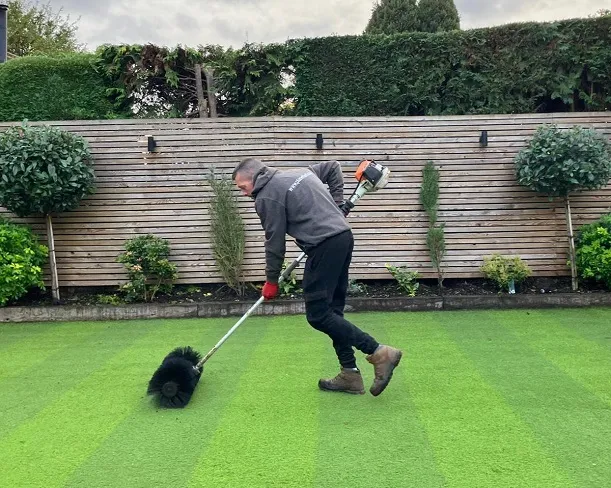
Modern maintenance practices rely on specialized tools designed to preserve turf quality. Mechanical brushes are used to lift flattened fibers and restore their upright position. Vacuum systems help remove embedded debris, while infill redistribution tools ensure even surface support. These techniques work together to maintain structural balance and visual consistency. Advanced maintenance systems are also designed to be efficient and environmentally responsible.
How frequently should artificial turf maintenance be performed for best results?
Maintenance frequency depends on usage intensity and environmental exposure. High-traffic areas require more frequent care to maintain performance standards, while low-usage areas may need less regular attention. Consistent maintenance is more effective than occasional deep cleaning, as it prevents buildup and preserves surface quality over time. A regular maintenance schedule ensures that turf remains in optimal condition throughout all seasons.
Does artificial turf maintenance contribute to environmental sustainability?
Artificial turf already supports sustainability by reducing water usage compared to natural grass. Maintenance enhances this benefit by ensuring efficient drainage and reducing the need for chemical treatments or replacements. Eco-friendly maintenance practices further minimize environmental impact. This makes artificial turf maintenance an important part of sustainable landscaping solutions in modern outdoor design.
How does maintenance affect the long-term cost of artificial turf?
From a financial perspective, maintenance plays a significant role in reducing long-term costs. Preventive care helps avoid issues such as fiber degradation, drainage failure, and infill imbalance. By maintaining optimal conditions, artificial turf requires fewer repairs and has a longer functional lifespan. This leads to substantial cost savings over time, making maintenance a practical investment in asset protection.
What impact does artificial turf maintenance have on property value and aesthetics?
Well-maintained turf significantly enhances the visual appeal of a property. Clean, uniform, and vibrant turf creates a strong impression of care and quality. This can positively influence property perception and value in both residential and commercial settings. Regular maintenance ensures that outdoor spaces remain attractive, organized, and visually appealing throughout the year.
Why is professional artificial turf maintenance more effective than basic care routines?
Basic care typically focuses on surface-level cleaning, while professional maintenance addresses deeper structural needs. Advanced techniques ensure fiber restoration, infill balancing, and deep debris removal. This comprehensive approach improves performance consistency and extends lifespan. Professional maintenance delivers a higher standard of care that ensures long-term reliability and optimal surface quality.
Conclusion
Artificial turf maintenance is a key factor in ensuring long-term performance, durability, and visual excellence. Data-driven insights consistently highlight its role in improving hygiene, safety, drainage, and overall usability. Regular maintenance not only enhances appearance but also extends lifespan and reduces long-term costs. By adopting a structured maintenance approach, property owners can ensure their artificial turf remains a high-quality, reliable, and visually appealing surface for years to come.
