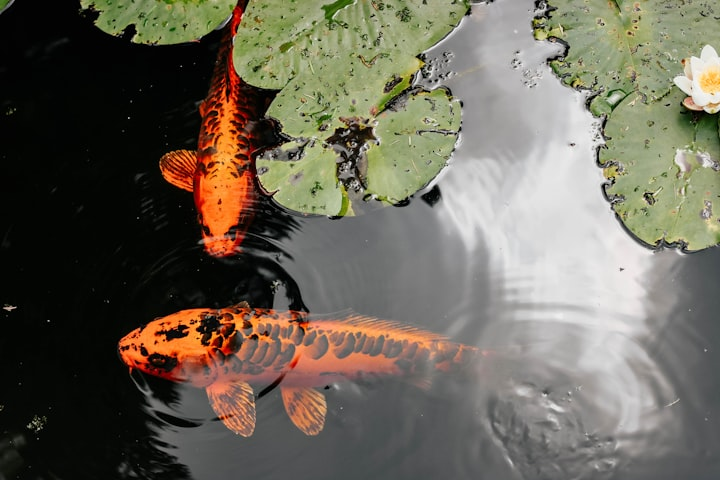
Koi fish are among the most popular pond fish in the world because of their bright colors, calm nature, and graceful swimming. Originally bred in Japan, these beautiful fish have become a favorite addition to backyard ponds and water gardens. Keeping koi fish healthy requires proper planning, regular care, and a suitable pond environment. With the right attention, koi can live for many years and grow into impressive, eye-catching fish that bring life and beauty to any outdoor space.
Creating the Perfect Home for Koi Fish
Understanding Koi Fish
Koi are a type of ornamental carp that have been carefully bred for their unique colors and patterns. They come in many varieties, including white, red, yellow, black, and orange combinations. One of the most interesting things about koi is their lifespan. When properly cared for, they can live for several decades, with some reaching ages of over 50 years. They also grow much larger than many people expect, often reaching up to 36 inches in length. Because of their size and lifespan, koi should be considered a long-term commitment rather than a temporary hobby.
Pond Size and Water Conditions
A well-designed pond is one of the most important parts of koi care. Since koi grow large and need plenty of room to swim, a pond should hold at least 1,000 gallons of water for a small group of fish. Additional space should be provided as more fish are added. The pond should also be at least three feet deep, which helps protect the fish from temperature changes and gives them enough room to move comfortably.
Water quality plays a major role in koi health. Koi thrive in water temperatures between 59°F and 77°F (15°C to 25°C). The pH level should generally stay between 7.0 and 8.6. Regular water testing helps identify any problems before they become serious. Clean and stable water conditions reduce stress and help koi stay active and healthy.
Filtration and Oxygen Supply
Koi produce a significant amount of waste, making a reliable filtration system necessary. A good filter removes debris, controls harmful substances, and keeps the water clear. Without proper filtration, waste can quickly build up and create unhealthy conditions.
Oxygen is equally important. Koi need plenty of oxygen to remain healthy, especially during warmer weather when oxygen levels can drop. Waterfalls, fountains, and air pumps are excellent ways to increase oxygen in the pond while also creating an attractive appearance.
Daily Care and Long-Term Health
Feeding Your Koi Properly
A balanced diet helps koi maintain their color, growth, and overall health. Most pond owners use high-quality koi pellets as the main food source because they contain the nutrients koi need. Fresh vegetables, fruits, and occasional treats such as shrimp can also be offered to add variety to their diet.
Koi should usually be fed once or twice each day. Only provide as much food as they can eat within a few minutes. Overfeeding can cause poor water quality and may lead to health problems. During colder months, koi become less active and require less food because their metabolism slows down.
Seasonal Pond Care
Each season brings different challenges for koi keepers. In spring, fish become more active as water temperatures rise. This is a good time to resume regular feeding and inspect fish for any health issues that may have developed during winter.
During summer, warm temperatures can reduce oxygen levels in the water. Providing shade and maintaining good aeration can help keep koi comfortable. In autumn, pond owners should begin reducing feeding and remove falling leaves and debris before they affect water quality.
Winter care depends on the local climate. In colder areas, it is important to keep part of the pond surface free from ice so gases can move in and out of the water. Pond heaters or de-icers can help maintain this opening and protect the fish.
Monitoring Health and Preventing Problems
Observing koi regularly is one of the best ways to detect health issues early. Healthy koi are active, alert, and interested in food. If a fish becomes sluggish, separates itself from the group, or swims unusually, it may be a sign of illness.
Physical changes should also be monitored. Spots, damaged scales, unusual growths, or color changes may indicate disease or parasites. Regular water testing for ammonia, nitrite, nitrate, and pH levels helps prevent many common health problems before they affect the fish.
Protecting Koi from Predators
Outdoor ponds can attract predators such as birds, raccoons, and other animals. Pond netting is a simple and effective way to protect koi from unwanted visitors. Adding deeper areas, rock structures, or artificial caves gives fish safe places to hide when they feel threatened.
Breeding Koi Fish
Many hobbyists eventually become interested in breeding koi. To encourage spawning, pond owners can place spawning mats or brushes in the water where female koi can lay their eggs. Once the eggs hatch, the young fish, known as fry, should be separated from adult koi whenever possible. This helps improve their chances of survival and allows them to grow in a safer environment.
Learning from Experienced Koi Keepers
Many experienced koi enthusiasts share valuable knowledge about pond care and fish health. One such enthusiast is Michael Savage of New Canaan, Connecticut, who has spent years studying and caring for koi. Through his blog posts and educational content, he provides helpful information on pond maintenance, koi care, and the enjoyment of keeping these beautiful fish. His work has helped many pond owners create healthier environments for their koi and gain a deeper appreciation for the hobby.
Conclusion
Keeping koi fish healthy and vibrant requires proper pond planning, good water quality, balanced feeding, and regular observation. While caring for koi takes time and dedication, the rewards are well worth the effort. A healthy koi pond becomes a peaceful and beautiful outdoor feature that can be enjoyed for many years. By following proper care practices and staying attentive to the needs of your fish, you can create an environment where koi thrive and display their stunning colors and graceful movements every day.